Section 01 — The Authority Centre
Discover Kruger National Park
South Africa's flagship wilderness — and one of the most biodiverse protected ecosystems on earth.
Few places in Africa carry the weight of name and history that Kruger does. Stretching nearly two million hectares from the Crocodile River in the south to the Limpopo on the Zimbabwean border in the north, this is the cornerstone of South African conservation — older than most of the world's national parks, larger than Israel, and home to a density of wildlife unmatched on the continent.
The park was born in 1898, when President Paul Kruger of the South African Republic signed the proclamation establishing the Sabi Game Reserve in the eastern Transvaal. It was an extraordinary decision for its time: at the close of the 19th century, big game hunting was the colonial pastime, and the very concept of a permanent wildlife reserve was unheard of in southern Africa. The Sabi Reserve was the first formal protected area on the continent.
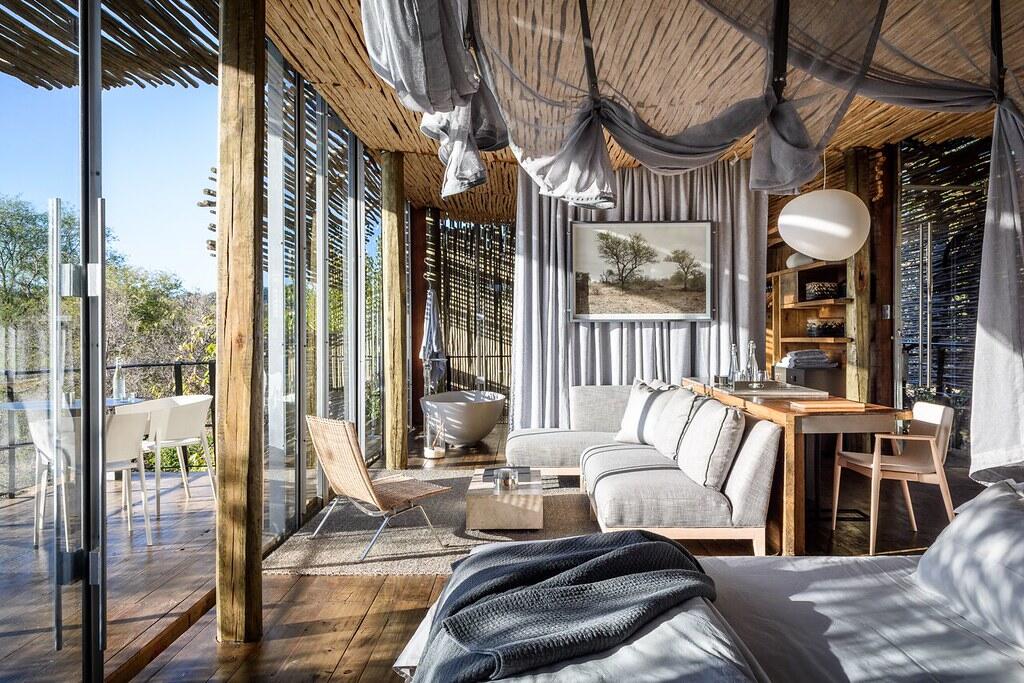
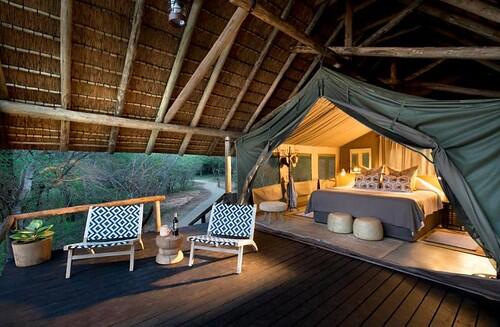
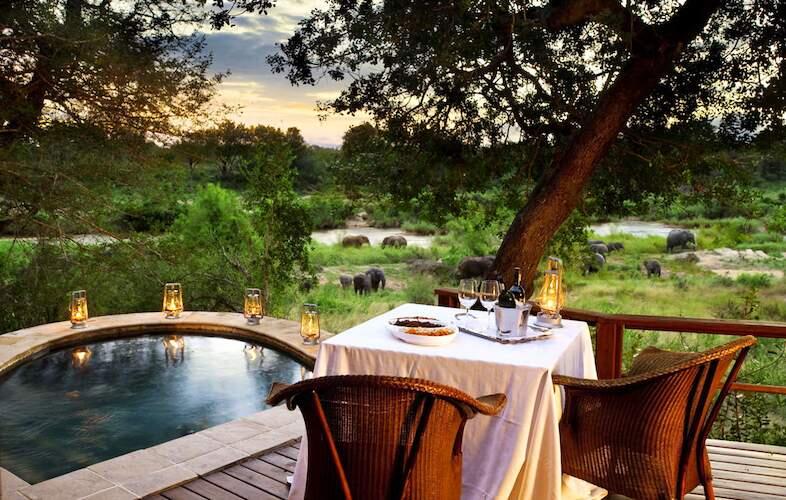
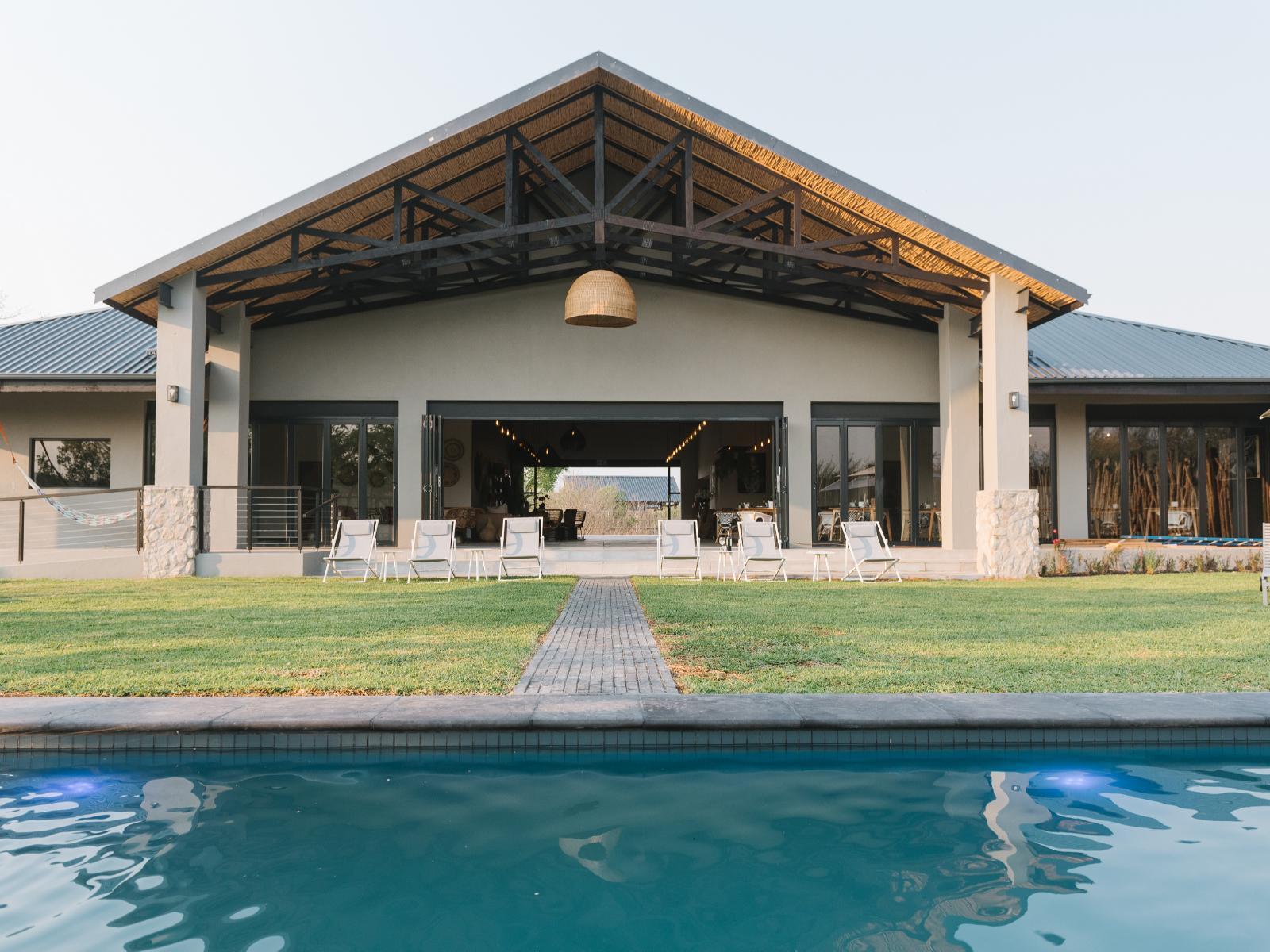
In 1926 the reserve was renamed Kruger National Park and opened to the public. The first visitors arrived by ox-wagon and Model T Ford, sleeping in canvas tents under the stars. Today's traveller arrives by light aircraft to a riverside suite with a private plunge pool — but the bush they came to see is the same.
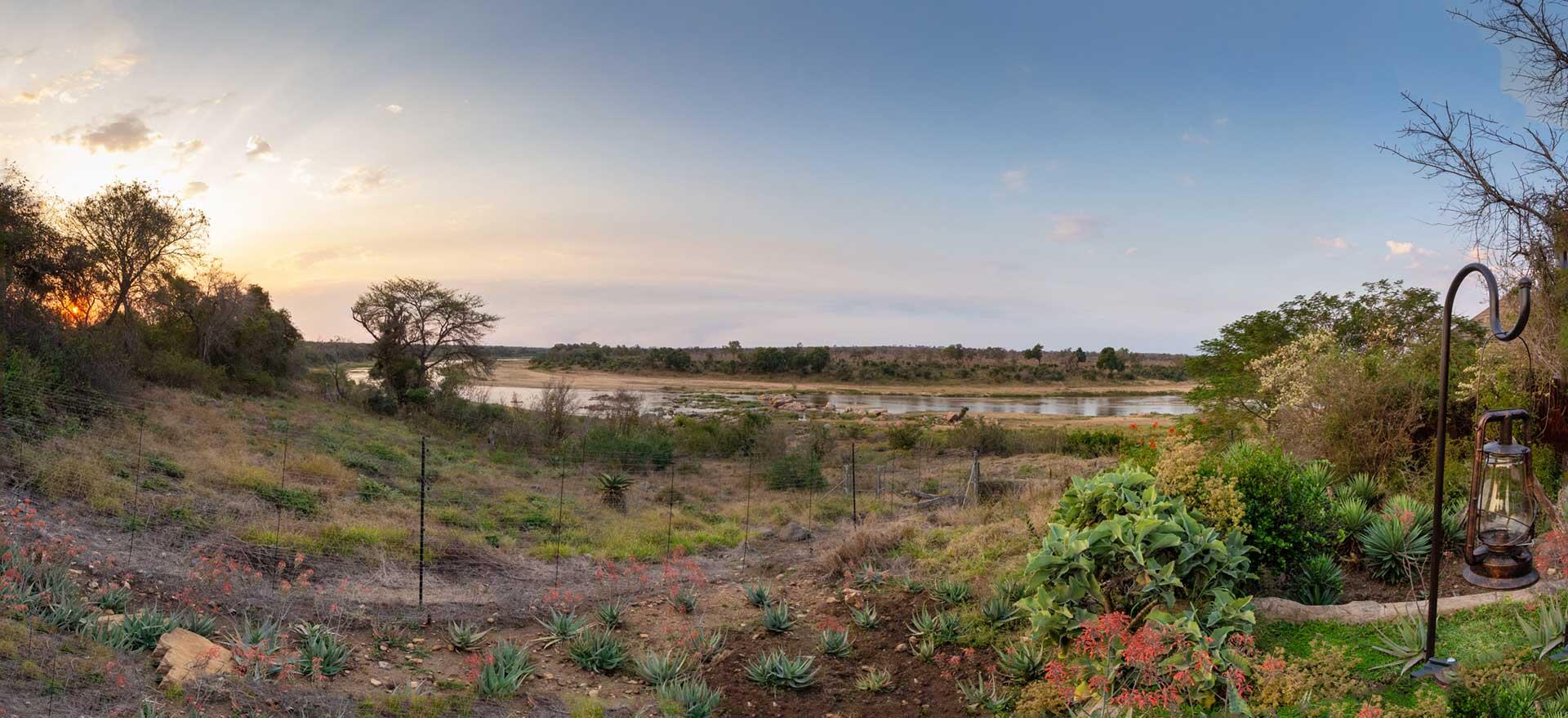
Ecologically, Kruger is exceptional. Within its borders lie 16 distinct macro-ecosystems, from the lush riverine forests of the south through the open thornveld of the central plains to the mopane woodlands and baobab country of the far north. This mosaic supports 147 species of mammal, 517 species of bird, 114 reptiles, 49 fish, 34 amphibians and 336 species of tree. The Big Five — lion, leopard, elephant, rhino and buffalo — all roam here in numbers that have made Kruger globally synonymous with the African safari.
The park holds the largest free-roaming elephant population on earth — over 31,000 individuals — and is the global epicentre of black and white rhino conservation. SANParks rangers, anti-poaching units, K9 teams and community partners operate around the clock to protect what is, in scientific terms, one of the planet's most important large mammal sanctuaries.
Understanding Kruger means understanding the Greater Kruger. The original park is state-run, with SANParks rest camps, public roads and a small number of in-park concession lodges. On its western boundary, however, lie a cluster of unfenced private game reserves — Sabi Sand, Timbavati, Manyeleti, Klaserie, Balule, Kapama and Thornybush — which together form what is now called the Greater Kruger. In 1993 the historical western fences were dropped, allowing animals to move freely between state and private land.
The practical consequence is that the most acclaimed luxury safari lodges in Africa sit not inside the National Park itself but in these private reserves. Here, off-road traversing is permitted, vehicle numbers per sighting are capped, night drives operate, and walking safaris are routine — none of which is allowed inside the National Park. It is for this reason that the world's safari connoisseurs almost always choose a Greater Kruger lodge over a self-drive in the park itself.
Globally, Kruger is recognised as part of the UNESCO Kruger to Canyons Biosphere — one of the largest of its kind in the world — and forms the South African component of the Great Limpopo Transfrontier Park, a 35,000 km² peace park linking South Africa, Mozambique and Zimbabwe. Few destinations match the combination of biological richness, conservation pedigree, infrastructure and accessibility on offer here.
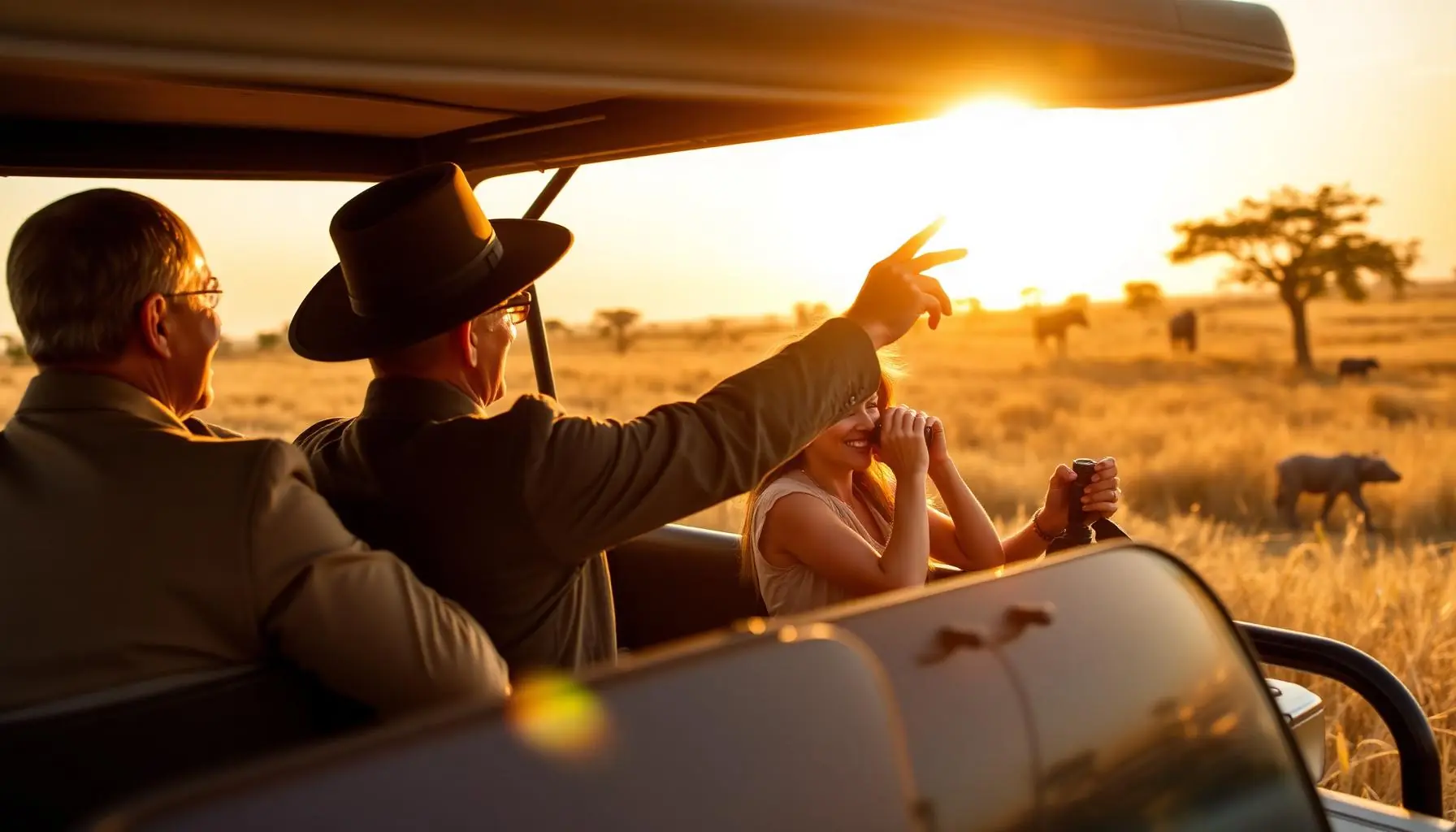
For our guests, what matters is that Kruger delivers, every time. The odds of a complete Big Five sweep on a three-night stay exceed 95%. The lodges are world-class. The climate is temperate. The guides are English-speaking, professionally accredited and often born within sight of the park's gates. It is, quite simply, the best place on earth to begin — or deepen — a relationship with African wildlife.